As designers and product developers, we dedicate considerable time to exploring emerging trends, innovative fabric technologies, and new design techniques. Yet, there is much to be gained from revisiting the iconic uniforms that shaped the identity of some of the world’s most recognisable brands.
This study looks back at uniforms from Virgin Atlantic, McDonald’s, Sainsbury’s, and Barclays, reflecting on how design, material choice, and cultural context influenced brand expression — and what lessons they hold for the future of uniform design.
To analyse how past uniform designs captured the spirit of their brands and times, identifying key design principles that continue to inform effective, brand-led uniform creation today.
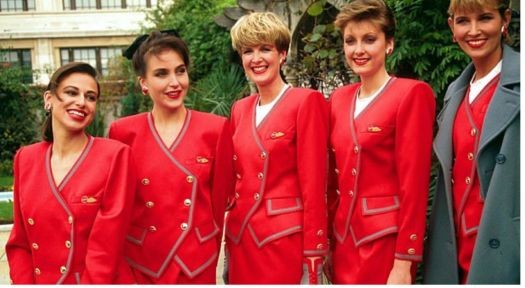
The striking red uniforms designed by Elizabeth Emanuel in the 1990s became instantly synonymous with the Virgin Atlantic brand. Tailored silhouettes paired with bespoke accessories such as gloves and earrings conveyed sophistication, confidence, and individuality.
Insight: When design language aligns with a brand’s emotional story, uniforms become powerful ambassadors of identity.
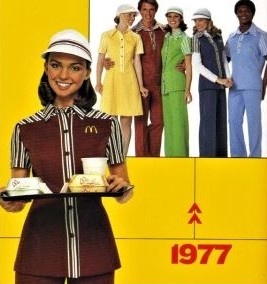
McDonald’s uniforms from the 1970s echoed the fashion trends of the era, featuring bold colours and wide collars. They balanced a contemporary style with a cheerful, approachable brand presence.
Insight: Integrating current fashion elements can help uniforms feel relevant and foster a stronger sense of pride among employees.
Sainsbury’s opted for practicality and professionalism, introducing long-sleeved, zip-up dresses and quilted jackets labelled “Property of Sainsbury Plc.” The design focused on durability while maintaining a cohesive brand image.
Insight: Functional detailing and subtle branding can elevate everyday workwear into a confident expression of corporate identity.

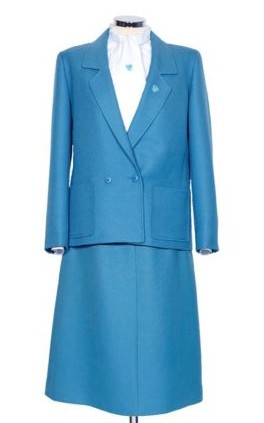
The 1960s Barclays uniforms showcased the structured tailoring typical of the time, reflecting professionalism and reliability. They also mirrored social expectations of women’s workwear during that period.
Insight: Uniforms serve as cultural artefacts, capturing both corporate values and societal norms.
Looking back at these heritage designs reveals that uniforms are more than functional garments; they are cultural storytellers that convey values, confidence, and belonging.
At The Uniform Consultants (TUC), these reflections reinforce our belief in co-creation, where design evolves through collaboration, respect for brand DNA, and an understanding of wearer experience.
Disclaimer:
The uniforms displayed are not designed or produced by us. They are shown solely for market research purposes to gather insights on design preferences and industry trends.